KYC, identity verification, and age verification serve different purposes. Learn which check supports access, onboarding, and risk decisions.
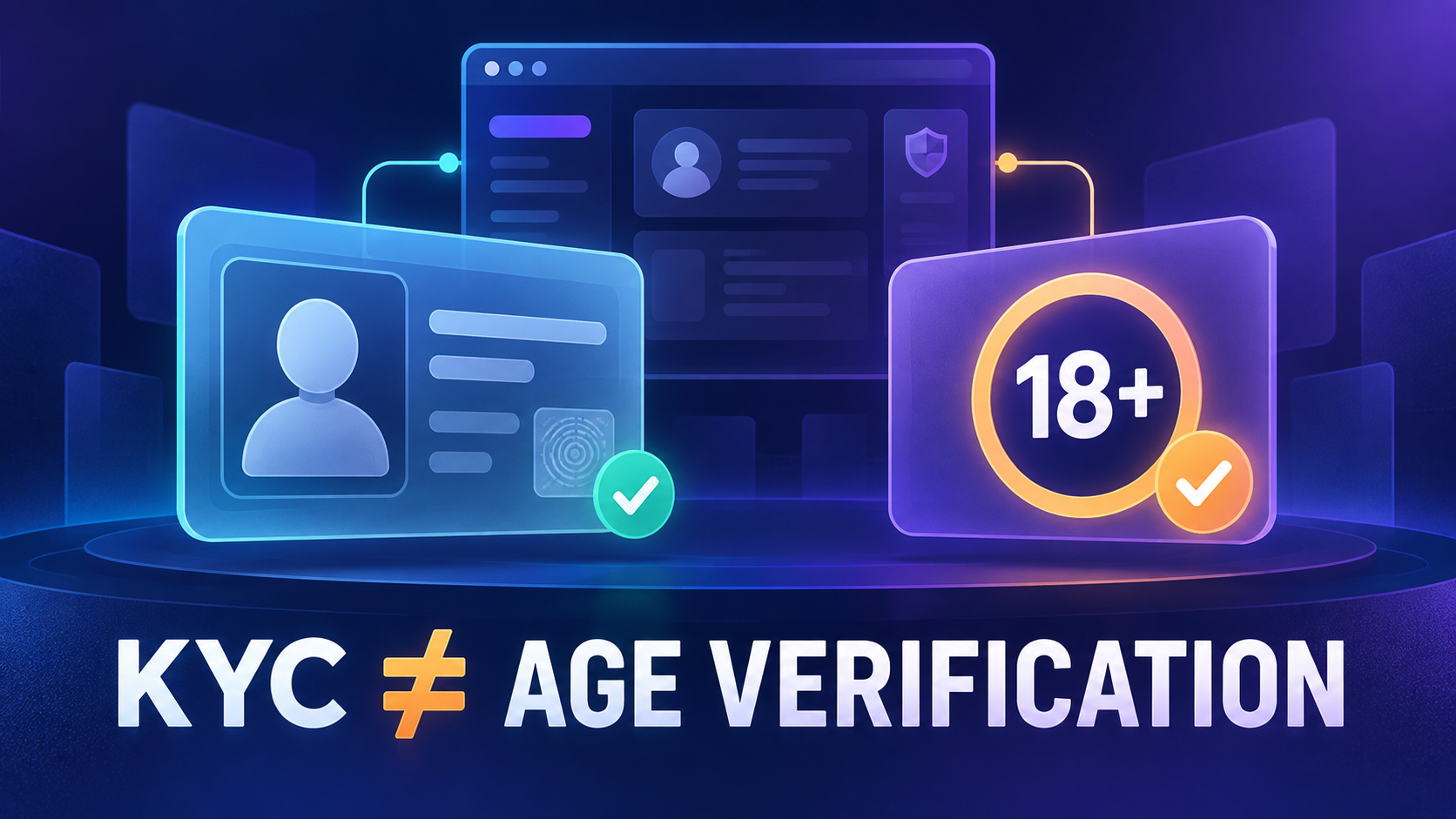
A platform can confirm that someone is an adult without completing every customer due diligence step. It can verify an identity without knowing why the person wants access. It can also complete a login check without establishing either fact. Treating these outcomes as interchangeable creates unclear product decisions and overconfident compliance language.
For a platform serving an adult community such as foot fetish, the first question is usually whether a user meets the required age threshold. A financial relationship may require much more. The right check depends on the decision the platform needs to make.
Age verification, or age assurance, is designed to answer a focused question: does this person meet the minimum age for the service, feature, or content?
The method may involve an identity document, a digital identity service, a database check, a payment related signal, or another age assurance approach. The acceptable method depends on the service, the applicable rules, the level of risk, and the evidence the operator needs to retain.
An age result does not necessarily establish a person's full identity, residential address, beneficial ownership, source of funds, or purpose for entering a business relationship. It may be enough for an access decision while being insufficient for a regulated onboarding process.
Identity verification connects a person presenting evidence with the identity represented in the verification process. A platform might compare details from an identity document with a selfie, a digital identity record, or another reliable source.
That check can be useful when an operator needs greater confidence that an account belongs to the person who created it. It can support trust and account integrity, but it does not automatically answer every question about what the user will do next.
On LovesFeet, the documented registration flow includes personal details and date of birth, declarations and an electronic signature, identity document upload, a selfie with the same document and a current date paper, and manual review. The result is an Approved or Rejected status. Describing that process precisely matters: it is an identity and age verification process, not a claim that every possible KYC obligation has been completed.
KYC, or know your customer, is commonly used as a short name for a broader customer due diligence process. Depending on the business and risk, it can involve identifying and verifying the customer, checking beneficial ownership, understanding the purpose and intended nature of the relationship, assessing risk, and carrying out ongoing due diligence.
That is why the phrase KYC verification platform should describe a solution in the context of the checks it actually supports. Uploading an identity document and confirming a name and date of birth may be one part of a KYC process. It is not automatically the whole process.
The required scope can also change with the customer, product, transaction, risk level, and jurisdiction. A low risk access decision and a high risk financial relationship should not be designed around the same assumptions.
What is the main purpose of verification on your platform?
Start with the outcome the platform must control.
If the decision is whether someone may enter an 18+ environment, the platform needs an age related result that is suitable for its service and risk. Identity evidence may be one way to produce that result, but the goal remains age eligibility.
If the decision is whether an account is connected to a real person and whether the account holder can be reviewed again later, identity verification may be central. The platform should still define what the check does and how long the result remains useful.
If the platform is onboarding customers for a relationship that triggers customer due diligence, it may need KYC processes that go beyond age or identity. The operator should map the required checks, evidence, monitoring, record keeping, and escalation paths before selecting a vendor.
Some services need to establish that a person is old enough to use a feature and also complete broader due diligence because of the product, transaction, or risk. In that situation, age verification is one decision layer and KYC is another. Combining them in one user journey can be convenient, but the underlying purposes should remain visible.
Before choosing a user verification platform, ask:
This checklist also helps keep privacy proportional. Collecting more information does not automatically create a better outcome. The platform should collect and use the information needed for the stated purpose, explain the process clearly, and avoid presenting one result as proof of everything else.
What would most help you choose the right verification process?
KYC, identity verification, and age verification can appear together in one onboarding flow, but they answer different questions. A date of birth check may support an age decision. An identity check may connect evidence to a person. KYC may require a wider, risk based set of checks and ongoing review.
For LovesFeet, accurate wording keeps the product connection useful: verified adult participation and manual review can provide meaningful context, while users and operators still need to understand the limits of the status. Clear distinctions lead to better access decisions, more honest product communication, and less unnecessary collection of personal information.

 Hebrew
 Russian
 Arabic


Share your thoughts